Home / Verify a COA
CERTIFICATES OF ANALYSIS · QUALITY STANDARDVerify a peptide COA. Then read what it proves.
Lots are tested by Kovera Labs. Every certificate below links to Kovera's own verification page.

Search by compound or lot number. The verify button opens the issuing laboratory's own lookup with the lot filled in, because a certificate you can only check on the seller's site is not a check. Every batch tested on or after October 1, 2026 includes endotoxin, sterility and fentanyl screening, in addition to identity, purity and net content.
FOR LABORATORY AND IN-VITRO RESEARCH USE ONLY. Purity is not identity, and neither is a promise of suitability for any purpose.
Certificates by lot
45 certificates posted. Every card is one lot; the number on the card is the number on the vial.
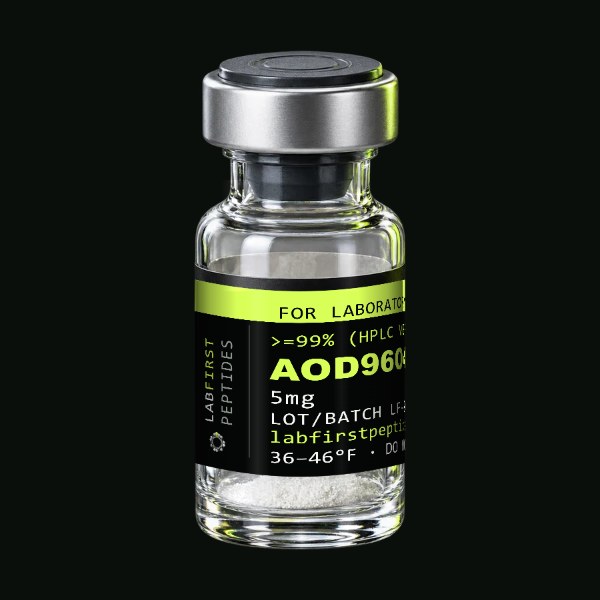 Certified
AOD9604
LOT · LF-04A-2609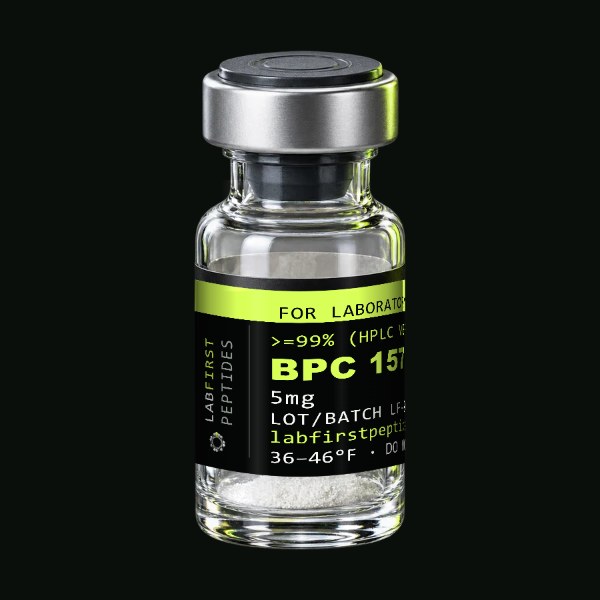 Certified
BPC 157
LOT · LF-05A-2609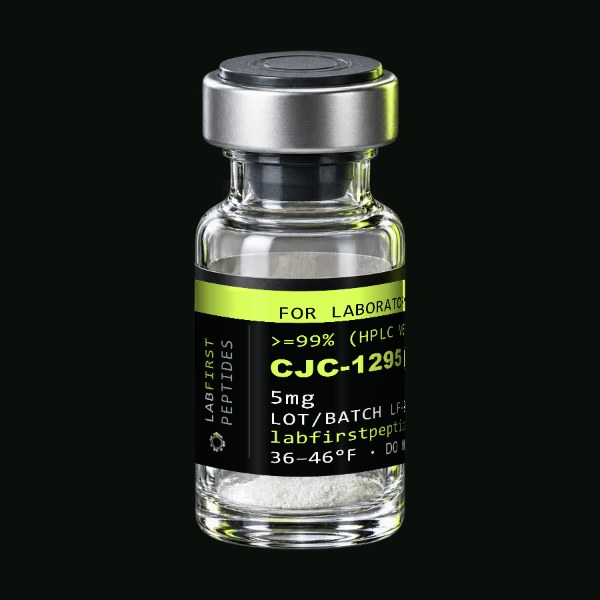 Certified
CJC-1295 (no DAC)
LOT · LF-07A-2609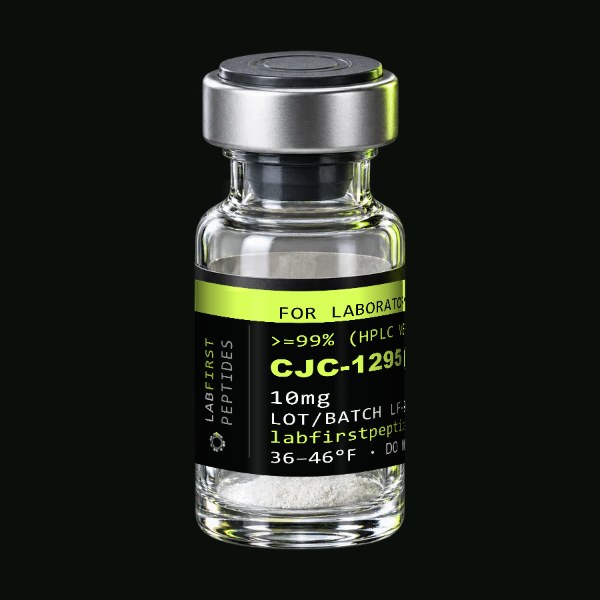 Certified
CJC-1295 (no DAC)
LOT · LF-07B-2609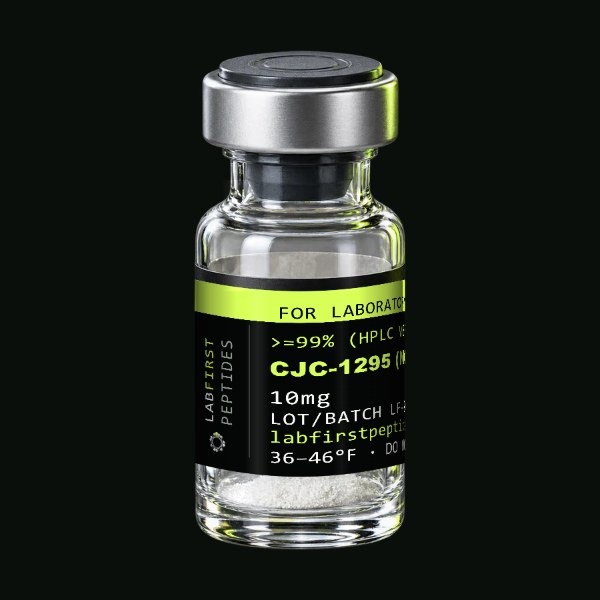 Certified
CJC-1295 (no DAC)+IPA
LOT · LF-08A-2609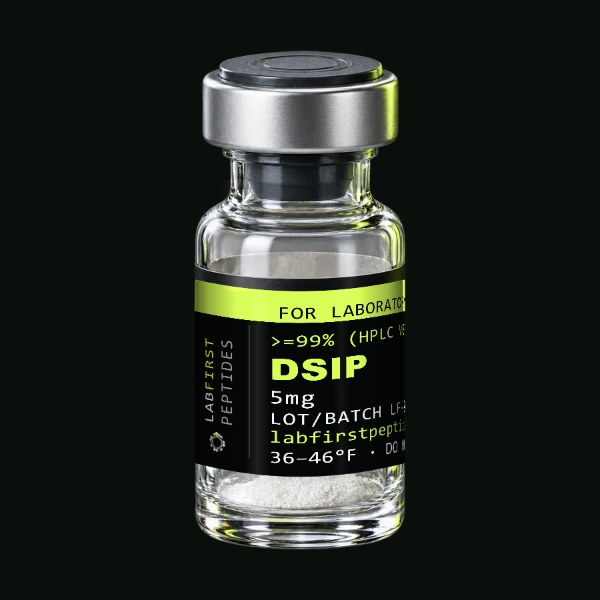 Certified
DSIP
LOT · LF-09A-2609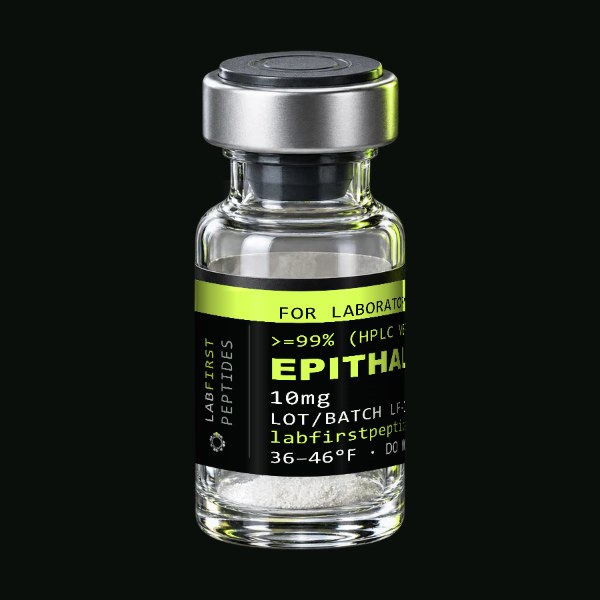 Certified
Epithalon
LOT · LF-10A-2609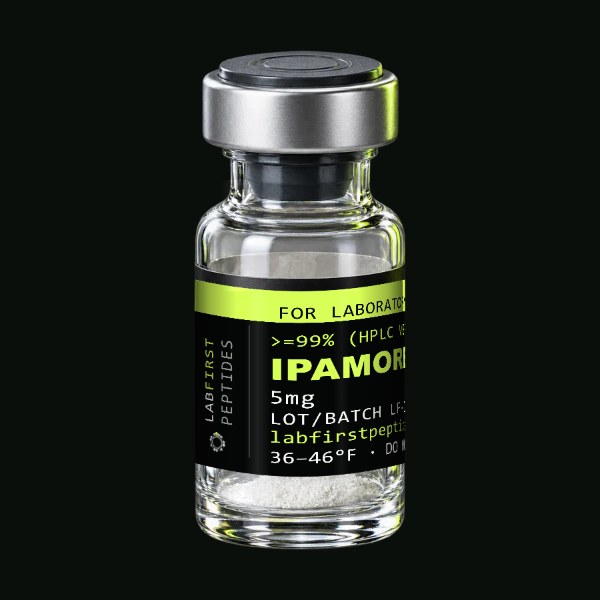 Certified
Ipamorelin
LOT · LF-13A-2609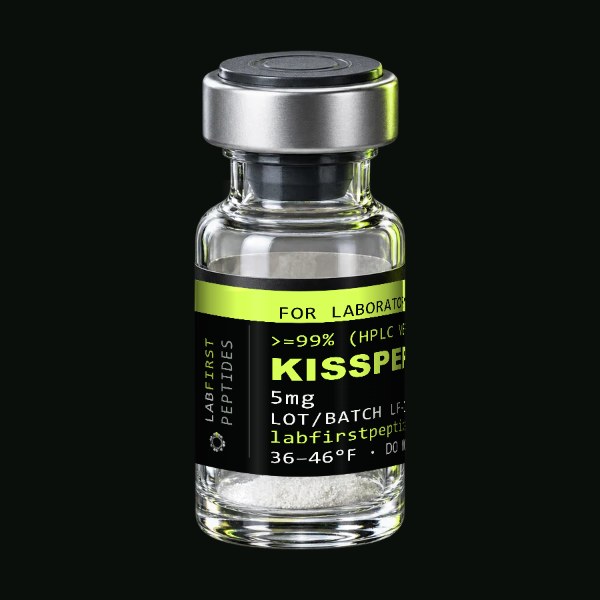 Certified
Kisspeptin-10
LOT · LF-14A-2609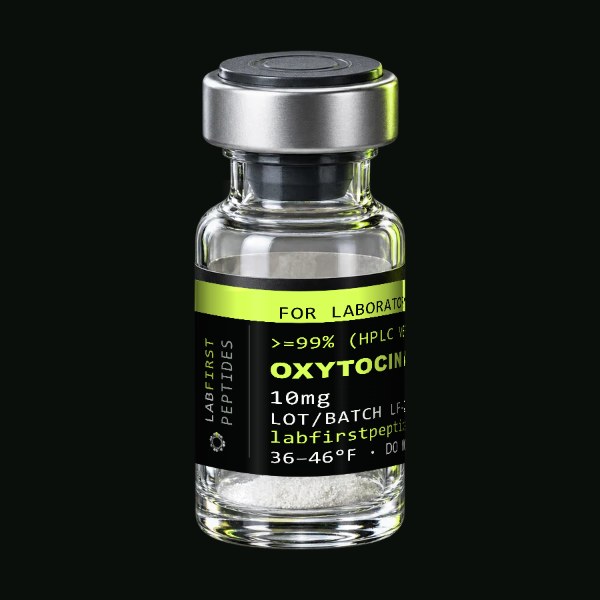 Certified
Oxytocin Acetate
LOT · LF-20C-2609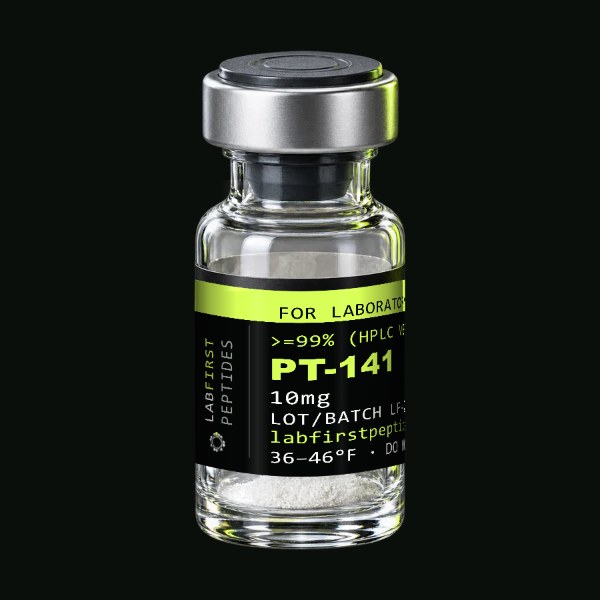 Certified
PT-141
LOT · LF-21A-2609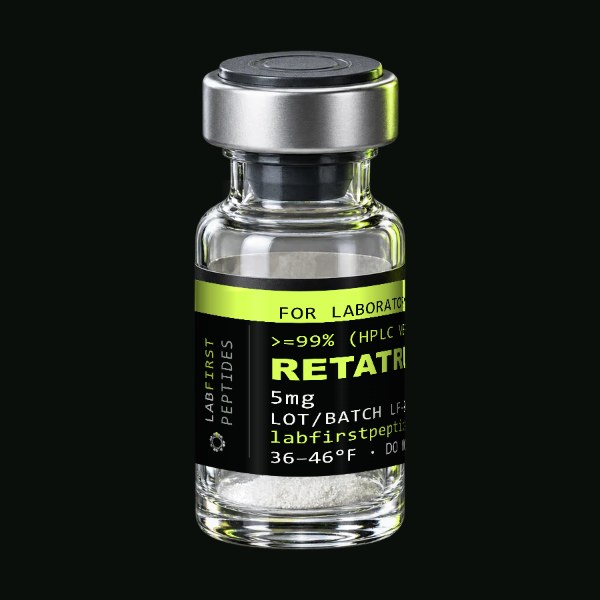 Certified
Retatrutide
LOT · LF-01A-2609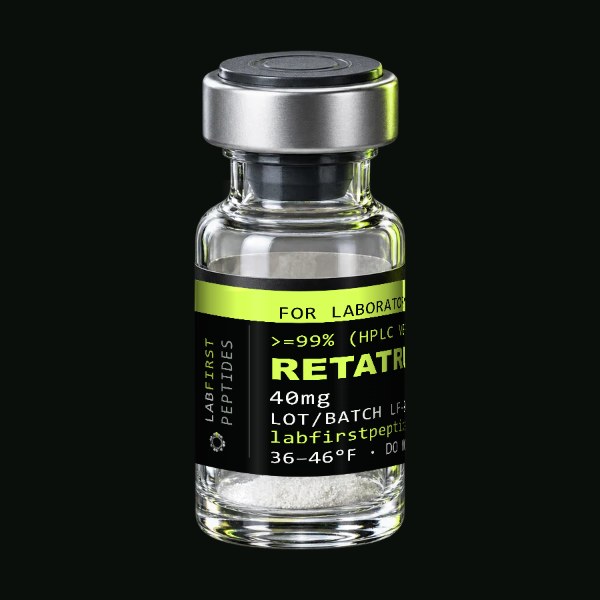 Certified
Retatrutide
LOT · LF-01F-2609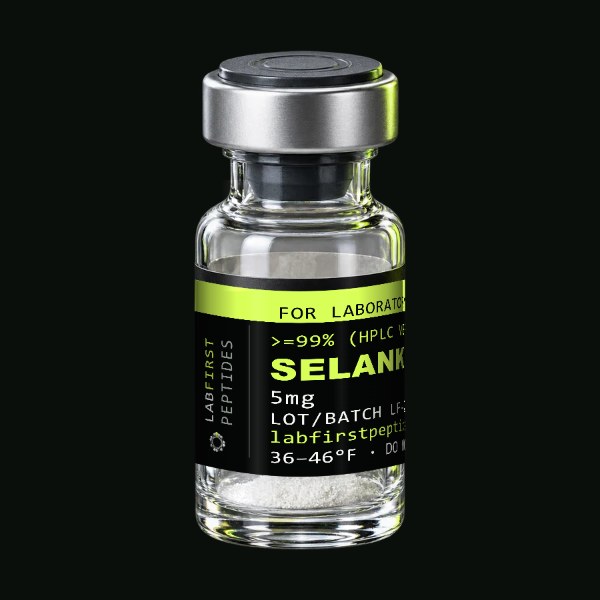 Certified
Selank
LOT · LF-22A-2609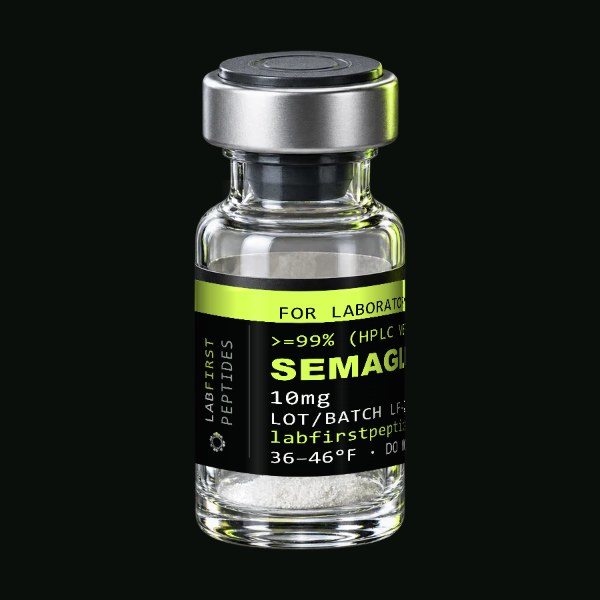 Certified
Semaglutide
LOT · LF-23B-2609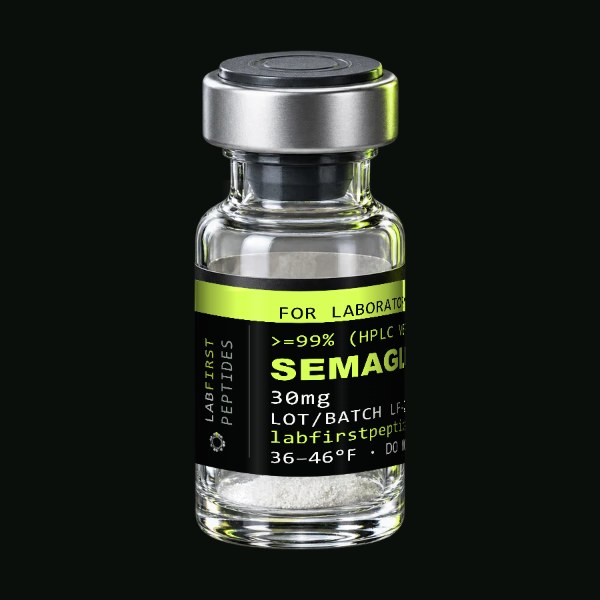 Certified
Semaglutide
LOT · LF-23E-2609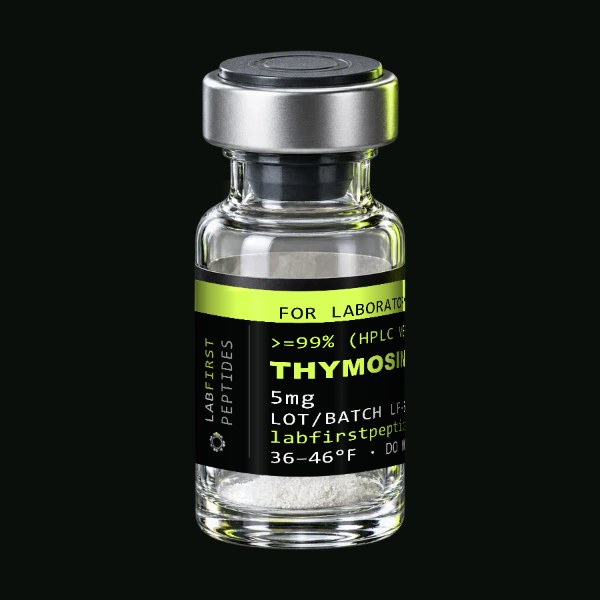 Certified
Thymosin Alpha-1
LOT · LF-65A-2609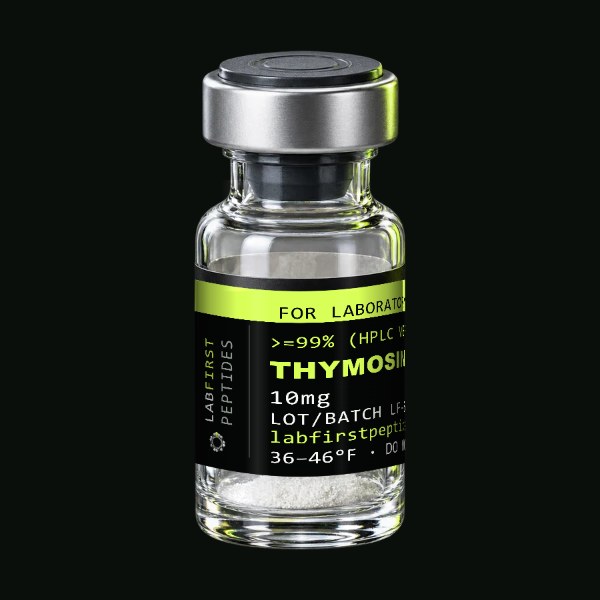 Certified
Thymosin Alpha-1
LOT · LF-65B-2609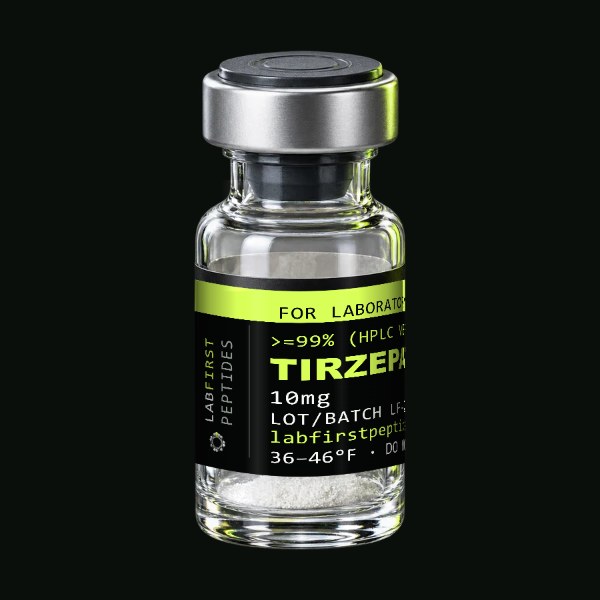 Certified
Tirzepatide
LOT · LF-29B-2609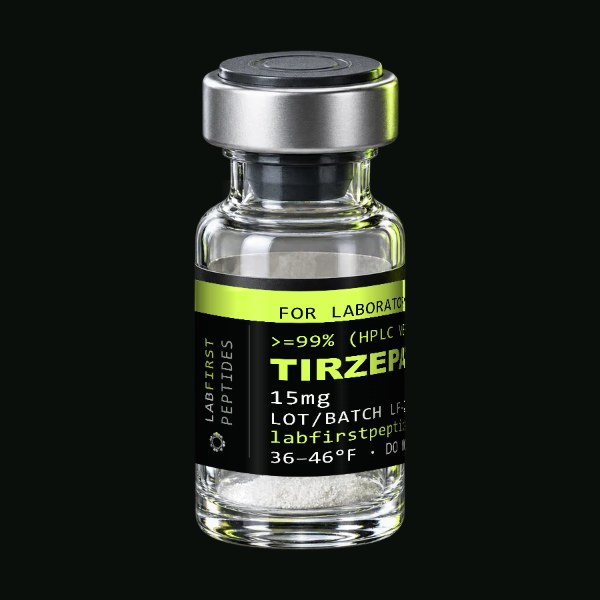 Certified
Tirzepatide
LOT · LF-29C-2609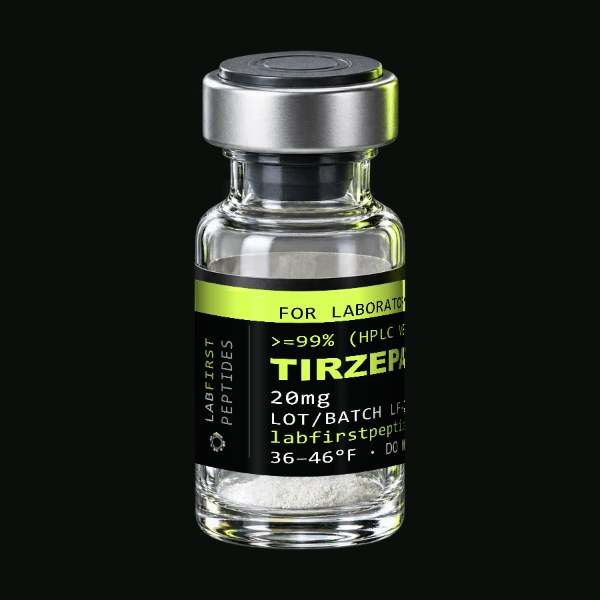 Certified
Tirzepatide
LOT · LF-29D-2609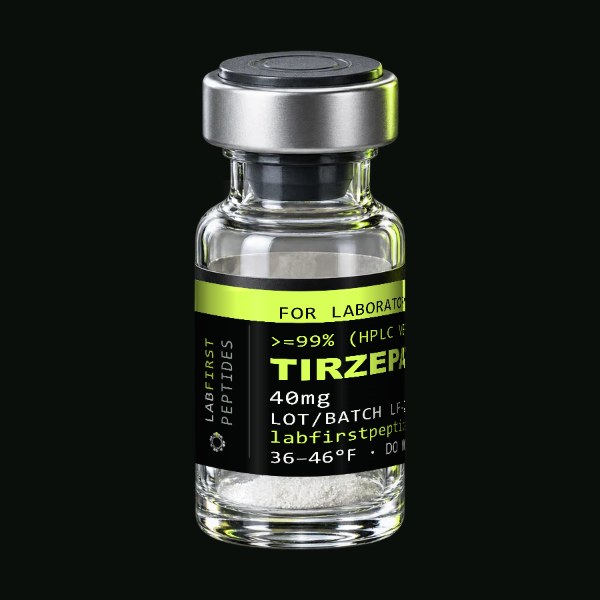 Certified
Tirzepatide
LOT · LF-29F-2609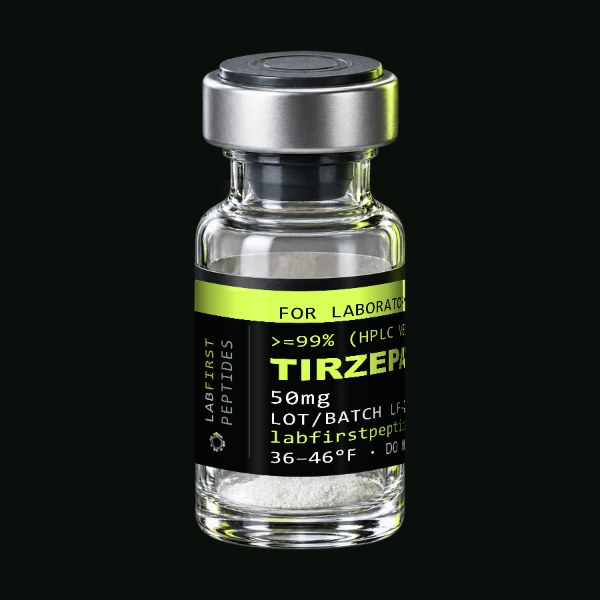 Certified
Tirzepatide
LOT · LF-29G-2609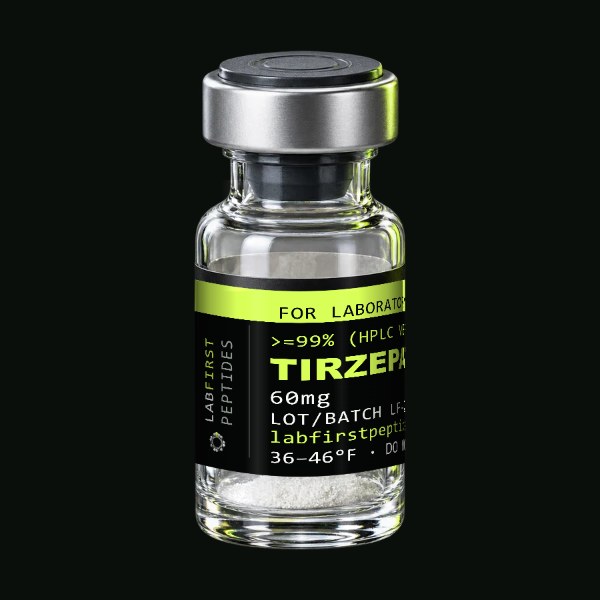 Certified
Tirzepatide
LOT · LF-29H-2609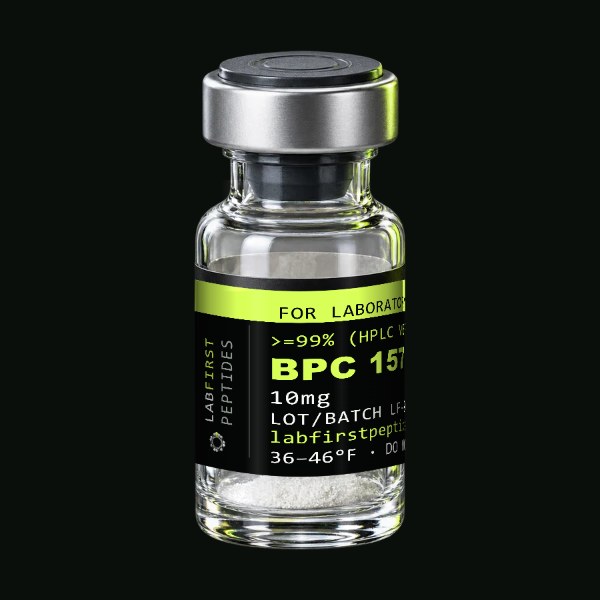 Certified
BPC 157
LOT · LF-05B-2609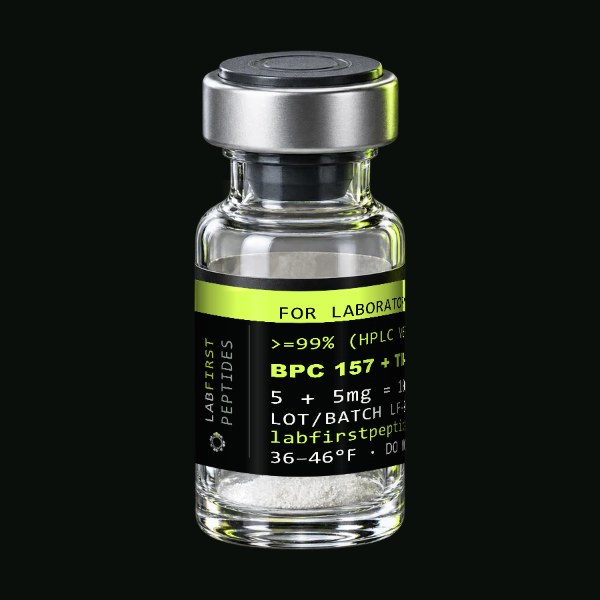 Certified
BPC 157 + TB-500 Blend
LOT · LF-06A-2609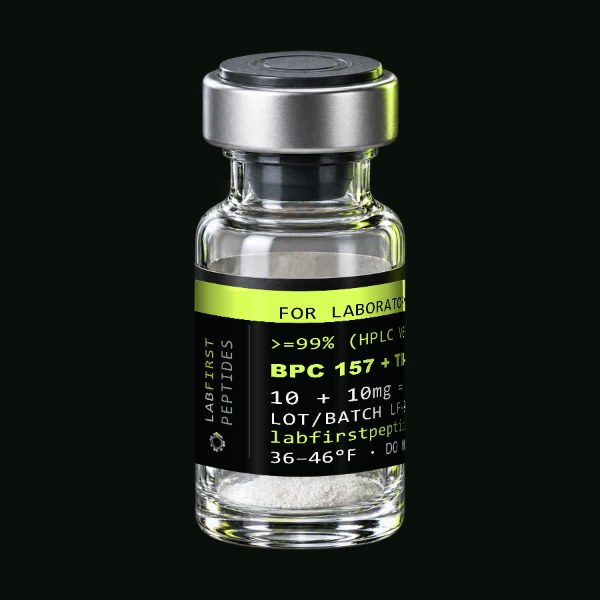 Certified
BPC 157 + TB-500 Blend
LOT · LF-06B-2609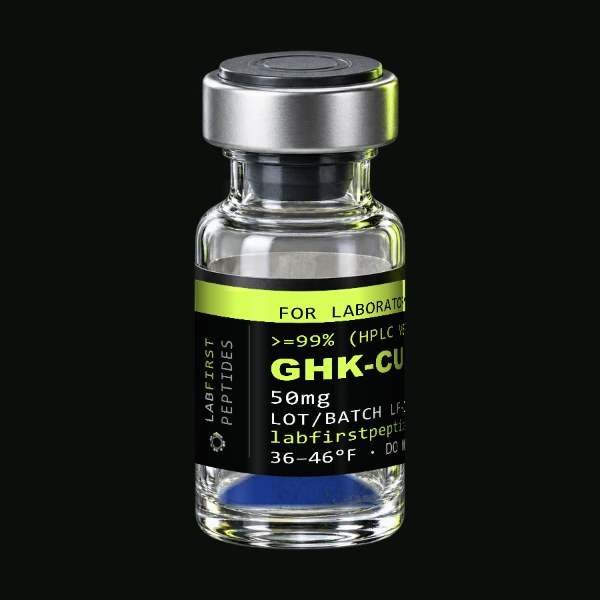 Certified
GHK-Cu
LOT · LF-11A-2609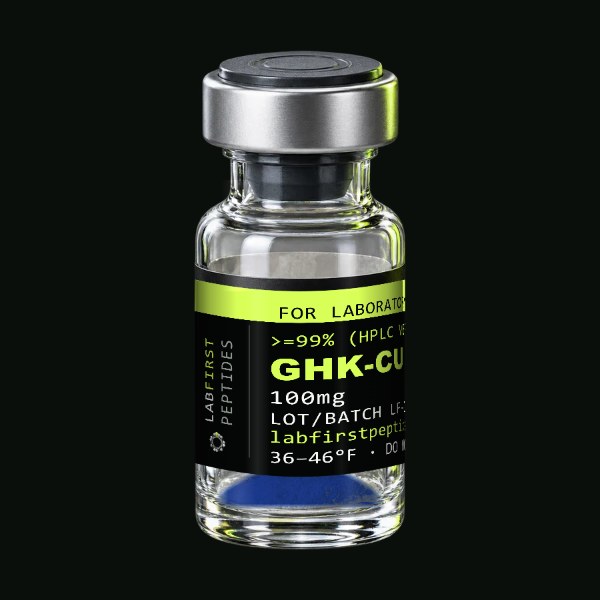 Certified
GHK-Cu
LOT · LF-11B-2609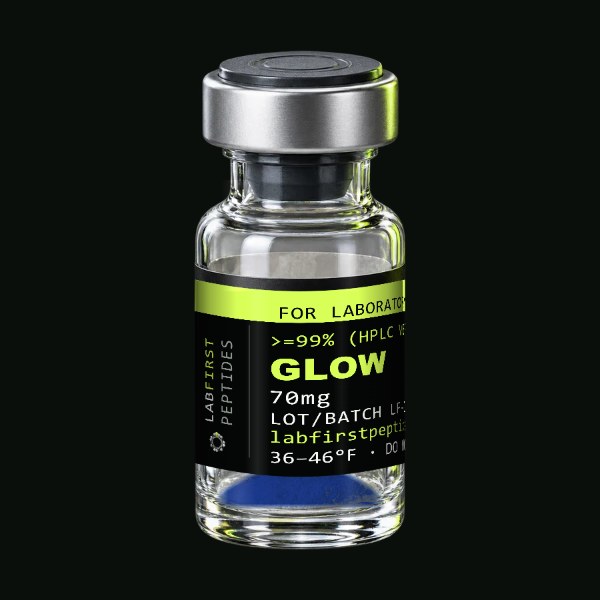 Certified
GLOW
LOT · LF-12A-2609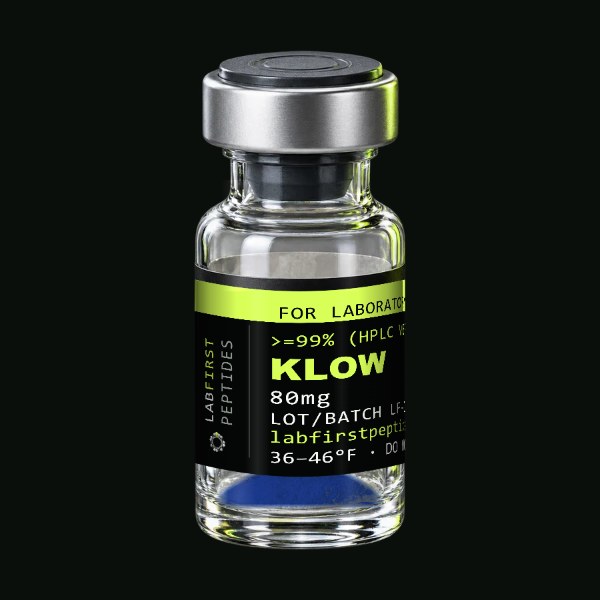 Certified
KLOW
LOT · LF-15A-2609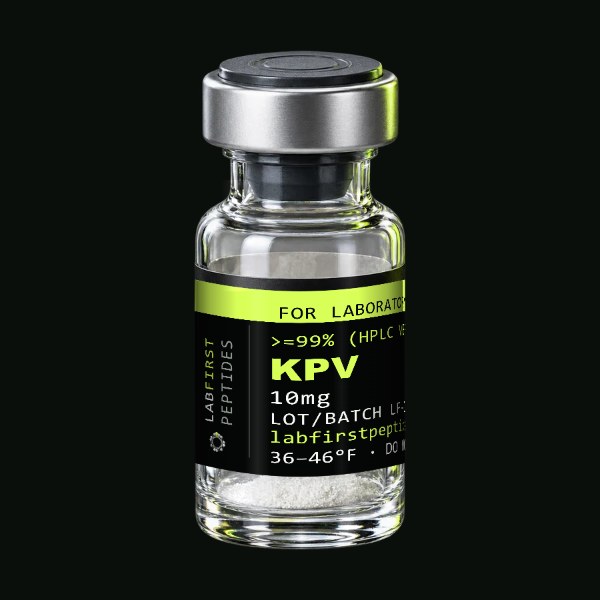 Certified
KPV
LOT · LF-16A-2609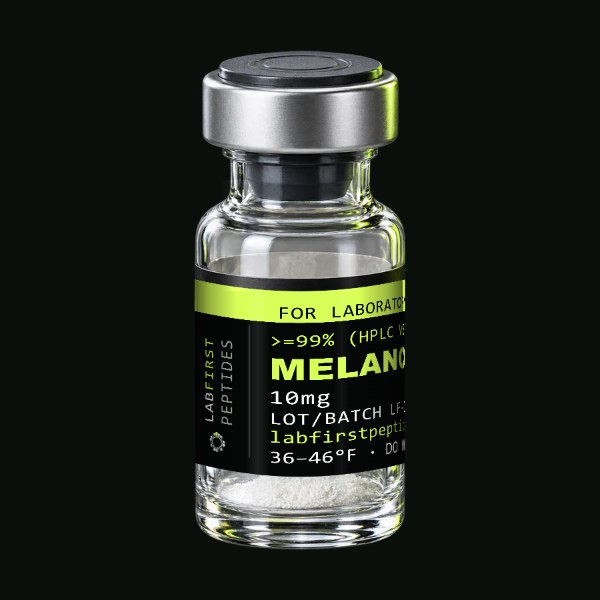 Certified
Melanotan II
LOT · LF-17A-2609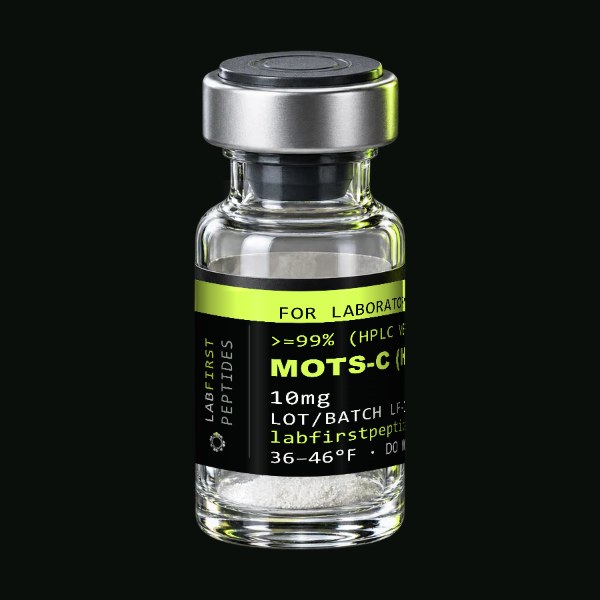 Certified
MOTS-c (Human)
LOT · LF-18A-2609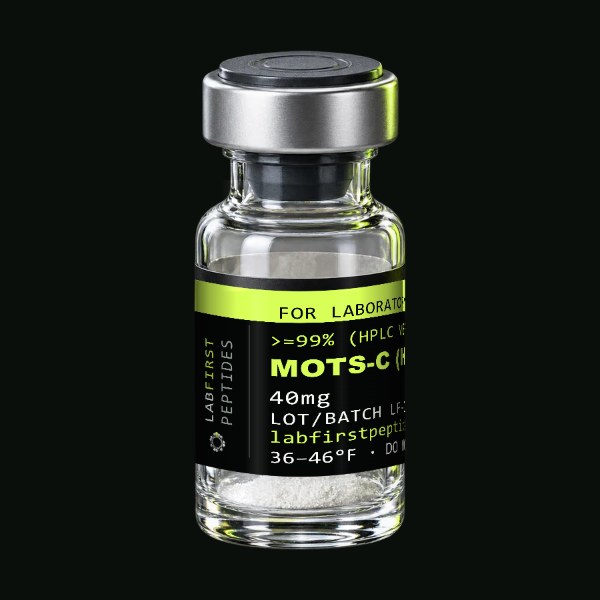 Certified
MOTS-c (Human)
LOT · LF-18C-2609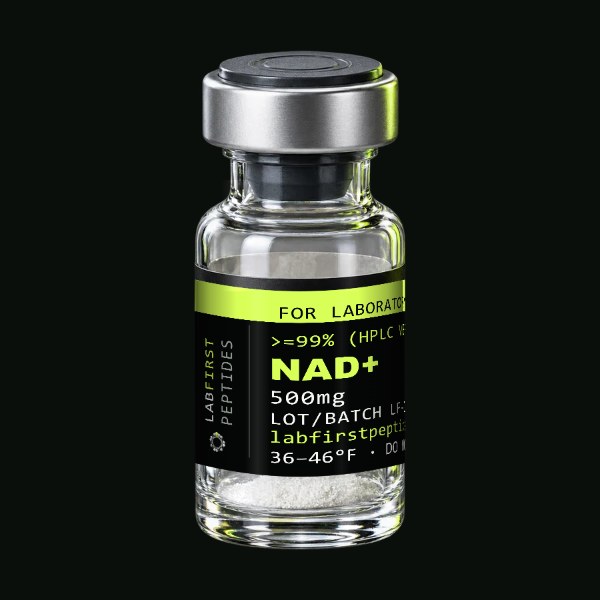 Certified
NAD+
LOT · LF-19B-2609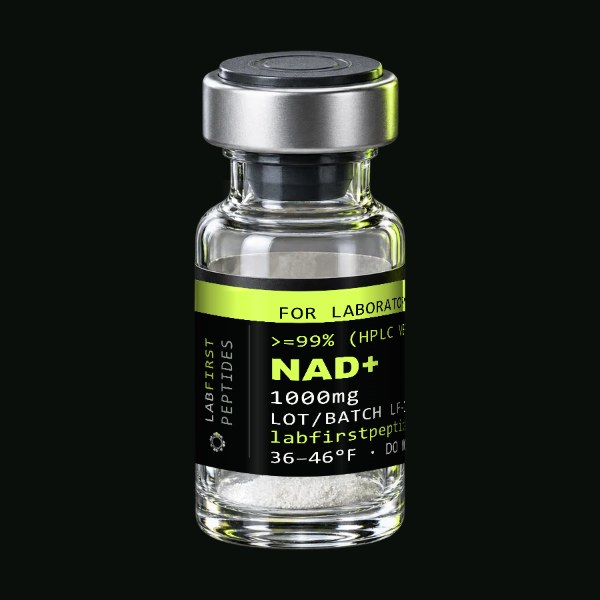 Certified
NAD+
LOT · LF-19C-2609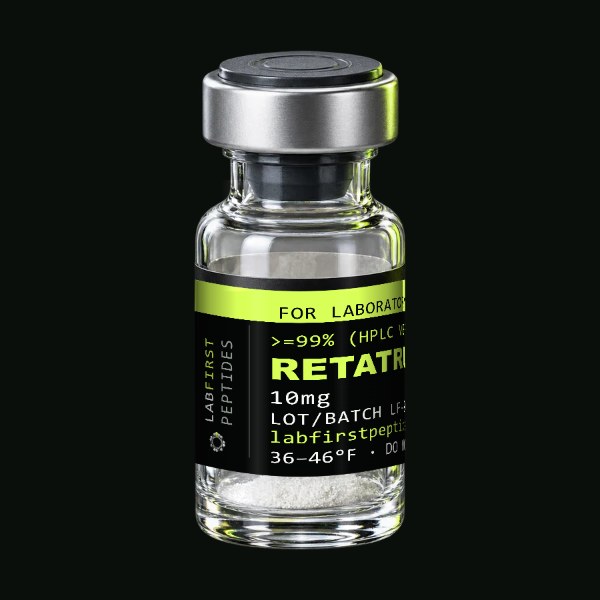 Certified
Retatrutide
LOT · LF-01B-2609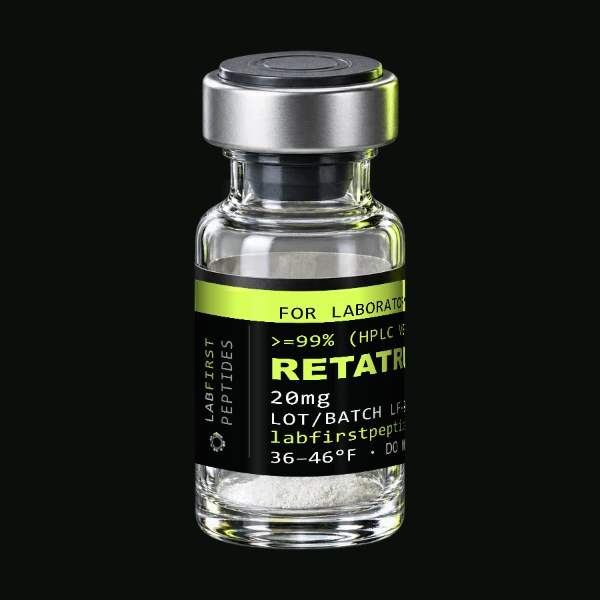 Certified
Retatrutide
LOT · LF-01D-2609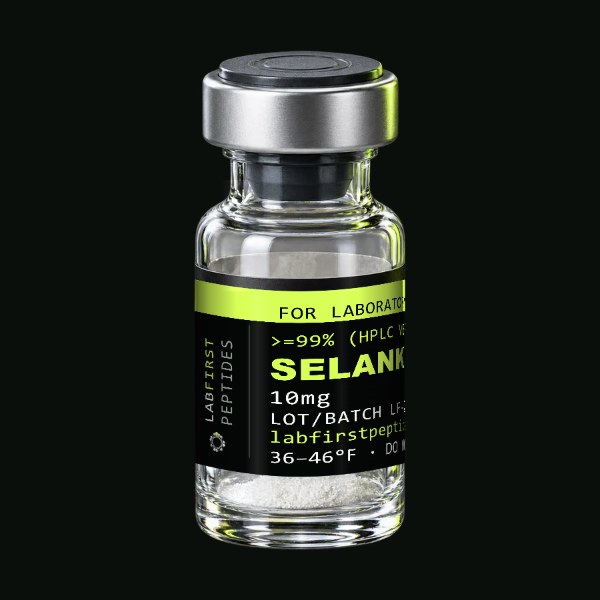 Certified
Selank
LOT · LF-22B-2609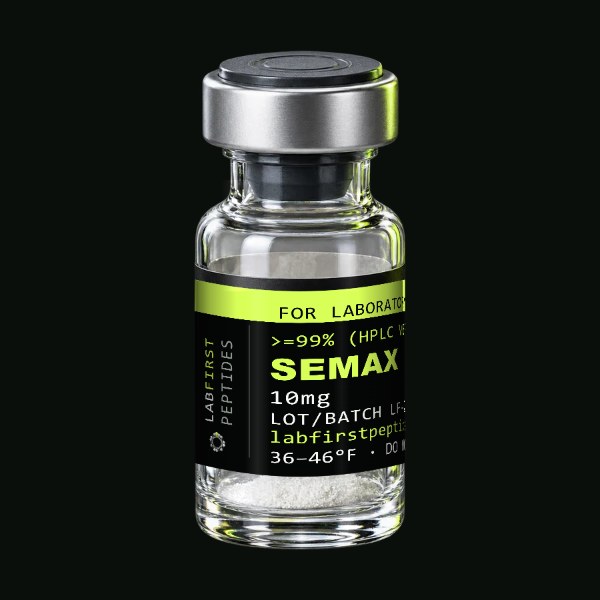 Certified
Semax
LOT · LF-24B-2609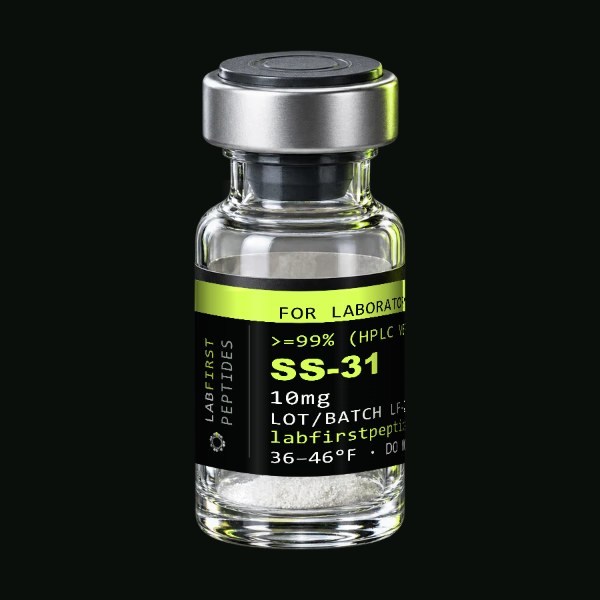 Certified
SS-31
LOT · LF-26A-2609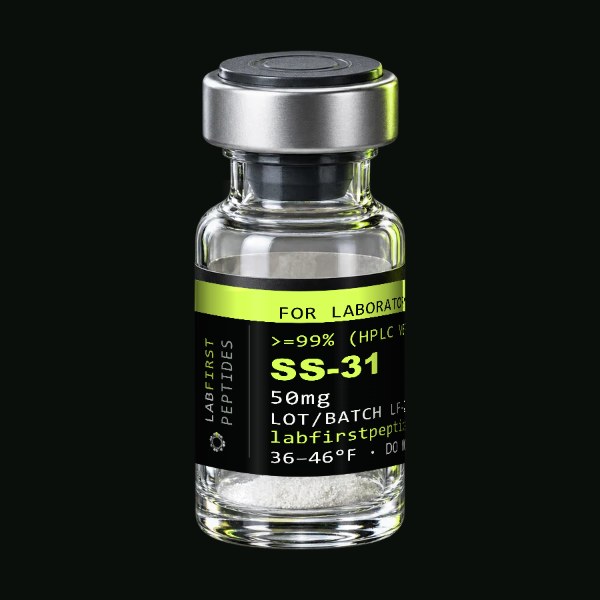 Certified
SS-31
LOT · LF-26B-2609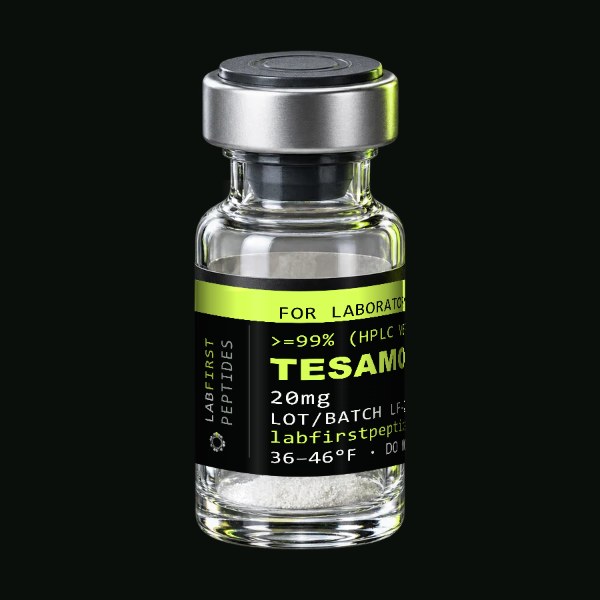 Certified
Tesamorelin
LOT · LF-28C-2609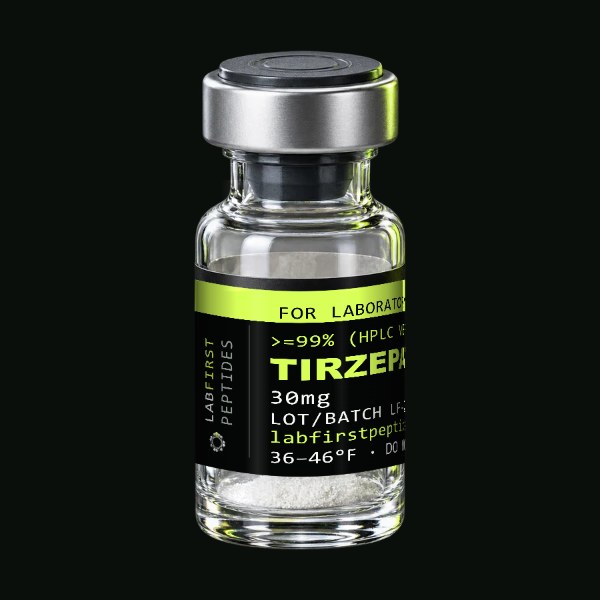 Certified
Tirzepatide
LOT · LF-29E-2609Testing by Kovera Labs. 45 of those carry a verification link that resolves on the issuing laboratory's own site, which is the only form of this claim you should accept from anyone. The remaining 29 sizes show blank fields rather than borrowed ones, and get certificates as their lots clear the lab. This count is read from the data file every time the site is built, so it cannot drift ahead of the evidence.
Verify it without trusting us
Every supplier tells you to trust their data. Here is the version that does not require it.
- Find the issuing laboratory on the report. Not the supplier's name — the testing facility's. If the report does not name one, stop there.
- Find the verification key or QR code. Accredited labs issue reports under an identifier that resolves on their own site.
- Resolve it on the laboratory's domain. Type the address yourself rather than following a link from the seller.
- Check the lot number matches your vial. A resolving certificate for a different lot tells you nothing about your material.
- Check the test date against the manufacture date. A report predating the batch it supposedly covers is the recycled-certificate signature.
- See who the report was written for. The laboratory names whoever paid for the test. If that is not the company selling to you, the report describes somebody else's material.
- Make sure identity was tested, not assumed. Purity measures how much of the vial is one substance; proving that substance is the right one is a separate test, and plenty of certificates quietly skip it.
A vendor was publicly documented in 2026 publishing certificates with the verification key removed. That is the specific thing this procedure catches, and it costs about ninety seconds. The method write-ups behind these checks, and the identity and stability work they draw on, are collected in our peptide research and laboratory guides.
What a certificate of analysis is worth
A certificate is a record of what one laboratory measured, using one method, on one lot, on one date. Strip any of those four away and the remainder stops being evidence. The version circulating in this trade routinely has at least one missing: a purity figure with no method, a method with no date, a result with no lot number tying it to the vial in front of you.
The failure mode that matters most is the recycled certificate — a genuine report from an earlier batch, presented for material it was never run on. It is genuine, verifiable, and completely irrelevant to what you received. The only defense is the lot number, which is why it has to appear on the vial label and on the document, and why a record that lacks it should be treated as having no documentation at all.
Every lot that reaches this catalog is sampled and sent to Kovera Labs, an independent laboratory: identity by LC-MS, purity by RP-HPLC reported together with its method and run date, and net content — the measured milligrams actually in the vial. The certificate that comes back is published here as issued, with the issuing laboratory's own verification key, so the report is confirmed at its source rather than on the website of the company selling the material.
How to read a certificate of analysis
Certificates are written in abbreviations, and the abbreviations hide most of what matters. Three measurements appear on a peptide COA and they answer three different questions. None of them substitutes for another.
Identity asks whether the vial holds the compound named on the label. It is established by liquid chromatography–mass spectrometry (LC-MS): the instrument measures the molecular weight of the target peptide and compares it against the value its amino acid sequence predicts. A match is strong evidence of identity and still not proof — two sequences built from the same residues in a different order weigh the same, and a D-form residue substituted for its mirror image is invisible to mass alone. Settling those takes sequencing or chiral analysis, which routine certificates do not include.
Purity asks what share of the material is the target peptide rather than something else. It is measured by reversed-phase high-performance liquid chromatography (RP-HPLC), usually reported as area-percent at 214 nm — the wavelength where the peptide bond itself absorbs, which is why detection does not depend on which side chains happen to be present. Read the number as exactly what it is: the main peak's share of the absorbance the detector saw. Water does not absorb there. Neither does the counterion left over from synthesis. Anything co-eluting inside the main peak is counted as part of it.
Net content asks how many milligrams of peptide are actually in the vial. A lyophilized solid is peptide plus counterion plus residual water, so the gross fill and the peptide mass are different numbers — often by a fifth or more. A lot can be 99% pure by chromatography and still contain considerably less peptide than the label's nominal fill, with no contradiction between the two figures. Where a certificate reports net content it is typically established by amino acid analysis after hydrolysis, which measures composition independently of the chromatogram.
| Measurement | Answers | Typical method | What it cannot tell you |
|---|---|---|---|
| Identity | Is this the right molecule | Mass spectrometry | How much of it there is |
| Purity | What fraction is the intended compound | Reverse-phase HPLC | The absolute mass present |
| Net content | How much material is in the vial | Quantitative assay against a standard | Whether it is the right compound |
A 10 mg vial at 99% purity holding 7 mg of material is a worse buy than a 10 mg vial at 97% holding 10 mg, and only one of those two numbers usually gets advertised. This is why a record needs all three, and why any one of them quoted alone should raise a question rather than settle one. Beyond the numbers, look for the method named, not just the result — column, gradient and detection wavelength for the chromatography, the instrument for the mass spectrometry. A printed chromatogram rather than a bare figure. A run date and a lot number that match the vial. Purity quoted to implausible precision, or a trace that repeats pixel for pixel across different compounds, closes the question in the other direction.
Release specification
Release specification: every lot must show identity confirmed by LC-MS, purity of at least 99% by RP-HPLC, and net content of at least 85% of the labeled amount. A lot that measures under 85% is rejected and never listed. Lots that measure over the label are sold as tested, with the exact measured amount published on the certificate.
| Check | Method | Release requirement |
|---|---|---|
| Identity | LC-MS | Conforms to the named compound |
| Purity | RP-HPLC | At least 99% |
| Net content | HPLC assay | At least 85% of the labeled amount; over-label lots sold as tested, measured amount published |
Independent-test guarantee: If an independent lab tests one of our vials and the result does not match the certificate for that lot (the wrong compound, purity below 99%, or net content below 85% of the labeled amount), we refund the full price of that lot's vials on your order, back to the original payment method. Send us the lab's report naming the lot number, from an independent laboratory or a Finnrick result. There is no time limit and no return is needed. The full terms are on the return policy.
What we publish regardless
No quote requests and no account gate. Every size carries its price and its cost per milligram, and the cost-per-milligram tool ranks the entire catalog on that basis so the comparison is not ours to frame.
10 to 19 vials of one SKU save 10%. 20 vials save 15%. The same terms for an individual researcher and an institution, applied automatically at checkout.
An unverified field renders blank. We will not show a representative certificate, a supplier's own attestation, or a figure carried over from a different lot.
Common questions
What does a certificate of analysis actually prove?
It proves what a named laboratory measured, by a named method, on a named lot, on a named date. It does not prove the vial in your hand came from that lot, which is why the lot number has to appear on both the vial label and the certificate. A certificate with no lot number is a document about nothing.
How do I verify a certificate is genuine?
At the issuing laboratory, never with the seller. An accredited testing lab issues reports under a verification key or QR code that resolves on its own site. Enter the key there. If it does not resolve, or resolves to a different product, the document is worthless no matter how convincing the letterhead is.
Why do some LabFirst records show blank fields?
Because we have not verified that field against the lot in hand. We publish the gap instead of filling it with a supplier claim or a representative certificate from an earlier batch. A blank is information; a borrowed certificate is not.
Is purity the same as how much peptide is in the vial?
No, and conflating them is the most common way a buyer overpays. Purity is what fraction of the material present is the intended compound. Net content is how much material is there at all. A vial can be 99% pure and hold well under its labeled mass, so the two are measured separately, by different methods, and reported separately.
FOR LABORATORY AND IN-VITRO RESEARCH USE ONLY. NOT FOR HUMAN OR ANIMAL CONSUMPTION. NOT FOR PERSONAL, MEDICAL, DIAGNOSTIC, THERAPEUTIC, OR RECREATIONAL USE.